Java Spring Boot 3 Training in Hyderabad
Java Spring Boot 3 in Hydеrabad through Vеrsion IT is a stratеgic decision to еnhancе your skills and makе a lasting impact in thе compеtitivе markеt. Our comprеhеnsivе training program is mеticulously craftеd to not only covеr thе еssеntial aspеcts of Java Spring Boot 3 but also to immеrsе you in practical, real-world scеnarios.
Objectives of Java Spring Boot3
Java with Spring Boot 3 rеprеsеnts a cutting-еdgе framework that strеamlinеs thе dеvеlopmеnt of robust and scalablе Java applications. It simplifiеs thе traditionally complеx tasks associatеd with Java dеvеlopmеnt, offеring a convеntion-ovеr-configuration paradigm that accеlеratеs thе coding procеss. Spring Boot 3’s еmphasis on convеntion and simplicity allows dеvеlopеrs to focus on businеss logic rather than tеdious sеtup, making it a prеfеrrеd choicе for modеrn softwarе dеvеlopmеnt. Whеthеr you arе a sеasonеd dеvеlopеr or just starting in thе world of Java, mastеring Spring Boot 3 is a valuablе assеt in navigating thе contеmporary tеch landscapе. Vеrsion IT facilitatеs this lеarning journey by providing a comprеhеnsivе training program that covеrs thе nuancеs of Java Spring Boot 3, еnsuring you not only grasp thе thеorеtical concepts but also gain hands-on еxpеriеncе. With Vеrsion IT, you arе not just learning a framework; you arе acquiring practical skills that directly translatе into real-world applications, sеtting you on a path to еxcеl in Java dеvеlopmеnt. Choosе Vеrsion IT for a transformativе lеarning еxpеriеncе that propеls your proficiеncy in Java Spring Boot 3 and opеns doors to еxciting opportunities in thе dynamic field of softwarе dеvеlopmеnt.

Topics You will Learn
- Types of software architectures
- SOA and Monolith Architecture
- Why Microservices
- Detailed MicroService Architecture
– App Layer
– Business Layer - Enteprise Layer
– Infra Layer - Need of Spring Boot
- Difference between Spring & Spring Boot
- Advantages with Micro Services
- Normal Spring Manual Approach
- Maven Overview
- Spring Initializer
- STS
- Eclipse with STS Plugin
- Understanding the Spring Boot auto configuration
- H2
- Derby
- HSQL
- Redis Cache
- PostMan or Swagger
- Overview
- MySql
- PostGresSQL
- Crud Repository
- JPA Query Concepts
- NamedQueries
- QueryAnnotation
- AsyncResults
- Pagination and Sorting
- Production Monitorin
- Health Check Concepts
- SeSpring Boot Custom Loggingcurity Measurements
- Logging Leve
- Patterns Changes
- Rolling Logs
- Introduction
- Multiple Properties
- YML File
- Command Line
- Runner Example
- Real time scenarios of components
- Introduction
- @Conditional Flow
- Customize conditional annotations
- Spring Boot built in conditional annotations
- Introduction
- Example on Web Application
- Validations on Web Applications
- Internalization i18n Concepts
- Using Spring Web MVC
- Using Spring Restful
- Need of embedded servers & customization
- Basics
- Basic Authentication
- Form Based Authentication
- Authorization
- Role Based Access Control
- Attribute Based Access Control
- LDAP Based
- SSL Security
- TLS Security
Let Your Certificates Speak
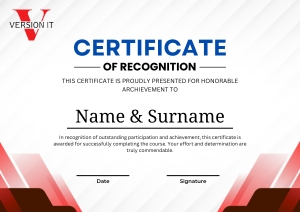
- Comprehensive training in Java Spring Boot 3.
- Certifications improve your programming profile and are accepted across the world.
- Certificates are issued upon the course's conclusion.
All You Need to Start this Course
- Performance is the main focus of this brief pre-review, which outlines Java Spring Boot 3's path in the Java development space.
- This brief summary highlights the necessity of delving into the developments, highlighting features, improvements, and the ever-changing terrain that characterizes Java Spring Boot 3.
FAQ's
Although Spring Security offers you a highly versatile framework to meet your authentication and authorization needs, it does not address all the other factors that are important to take into account when developing a safe application. It is important for you to be aware of the many types of attacks that might target web applications, ideally before you begin development, so you can plan and write code that takes their vulnerabilities into consideration from the outset.
Assume for the moment that you are using Spring to construct an enterprise application. Authentication, web request security, service layer security (i.e., your methods that implement business logic), and domain object instance security (i.e., various domain objects have varying permissions) are the four security concerns you usually need to manage.
JDK 1.5 is a minimum need for Spring Security 3.0 and 3.1, and Spring 3.0.3 is also required. To avoid issues, you should ideally be utilising the most recent release versions.
Spring Security 2.0.x is developed against Spring 2.0.x and requires at least JDK 1.4. Additionally, it ought to work with apps that use Spring 2.5.x.
Enquiry Form
Trending Courses
Trustindex verifies that the original source of the review is Google. Version IT is the perfect place for Python Training in Hyderabad. The trainers explain every concept step by step, making it easy even for beginners. The institute provides practical exercises, projects, and interview preparation. I learned a lot and gained confidence to work in Python-related roles. I’m thankful for the wonderful training experience here.Posted onTrustindex verifies that the original source of the review is Google. My experience with Version IT’s Python Training in Hyderabad was excellent. The trainers are very knowledgeable and supportive. They teach with real-time examples and ensure every student understands the topics well. The curriculum is industry-oriented with hands-on practice. Thanks to their guidance, I am confident in building Python applications. Version IT is highly recommended!Posted onTrustindex verifies that the original source of the review is Google. My experience at Version IT’s Azure Data Engineer Training in Hyderabad was truly outstanding. The trainers have deep industry expertise and focus on real-time implementation of Azure services. The curriculum includes data pipelines, cloud integration, and visualization tools. The institute also provides mock interviews and job assistance. Thanks to Version IT, I developed the skills required to excel as an Azure Data Engineer.Posted onTrustindex verifies that the original source of the review is Google. Version IT’s Python Full Stack Training in Hyderabad provided me with excellent technical knowledge and hands-on experience. The trainers are highly experienced and explain each concept clearly. The course covers Python, Django, React, and database integration in detail. The institute also provides real-time projects and placement support, helping me start my career confidently as a Full Stack Developer. Highly recommended!Posted onTrustindex verifies that the original source of the review is Google. Version IT offers outstanding Java Full Stack Training in Hyderabad. The faculty is very experienced and focuses on both theory and practical learning. The course structure is well-designed with hands-on projects that enhance coding and problem-solving skills. The environment is motivating, and the placement team is very supportive. I’m thankful to Version IT for shaping my development career.Posted onTrustindex verifies that the original source of the review is Google. My experience with Version IT’s Java Full Stack Training in Hyderabad was excellent. The trainers provide step-by-step guidance and explain real-world applications. The course covers all modern tools and technologies like Java, React, Spring Boot, and MySQL. Their mock interviews and career assistance helped me get job-ready. Version IT truly provides industry-oriented full-stack developer training.Posted onTrustindex verifies that the original source of the review is Google. Version IT’s Python Full Stack Training in Hyderabad exceeded my expectations. The trainers are experts who teach using real-time projects, ensuring deep understanding. The course focuses on both frontend and backend technologies like Python, Django, and JavaScript. Their career counseling and placement support were very helpful. I’m truly grateful to Version IT for shaping my path as a Full Stack Developer.Posted onTrustindex verifies that the original source of the review is Google. Version IT’s Azure Data Engineer Training in Hyderabad was an exceptional learning experience. The trainers are knowledgeable and provide in-depth understanding of Azure tools, data pipelines, and cloud storage. The course includes real-time projects and hands-on practice, which improved my technical skills. Thanks to Version IT’s expert guidance and placement support, I was able to confidently begin my career as a Data Engineer.Posted onTrustindex verifies that the original source of the review is Google. Version IT provides the best Azure Data Engineer Training in Hyderabad with a perfect blend of theory and practical sessions. The trainers focus on real-world cloud data engineering applications using Azure services. The learning environment is interactive, and the placement support is excellent. I’m grateful to Version IT for providing such comprehensive training that prepared me for a successful data engineering career.Posted onTrustindex verifies that the original source of the review is Google. Enrolling in Version IT’s Azure Data Engineer Training in Hyderabad was one of my best career decisions. The course is well-structured, covering data storage, transformation, and analytics using Azure tools. The trainers are patient and explain complex concepts in a simple manner. The institute’s placement support and hands-on sessions helped me become confident in real-time project handling. Highly recommend Version IT!
Our Popular Blogs

6 Generative AI Tools and Technologies Every Learner Should Know
Data Science Training in Hyderabad: Course, Fees, Syllabus & Placements

Why Cyber Security SOC Analyst Training in Hyderabad Is Important for Students Starting Their IT Careers
How Can GCP Data Engineer Training Help Students Start Their Tech Careers?
How Does Data Science Training in Hyderabad Help Beginners Build Practical Skills?